The Venice Biennale, one of the world's most prestigious contemporary art exhibitions, has long served as a barometer for global cultural and intellectual currents. In recent editions, the event has increasingly turned its gaze toward the pressing issue of climate change, weaving ecological concerns into the very fabric of its artistic and curatorial vision. This shift is not merely thematic; it represents a profound engagement with the role of art in an era of environmental crisis. Artists, curators, and pavilions are collectively exploring how creative practices can illuminate, critique, and even mitigate the ecological challenges facing our planet. The Biennale has thus transformed into a dynamic forum where aesthetics meet activism, and where the boundaries between art, science, and ecology blur in compelling ways.
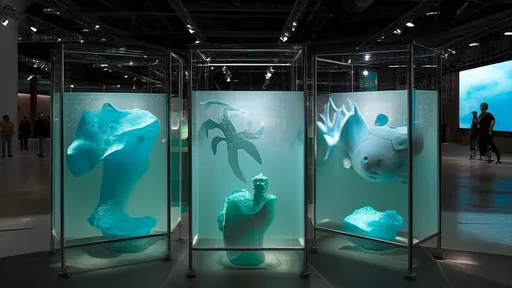
At the heart of this ecological turn is a recognition that art can no longer remain insulated from the realities of a warming world. The curatorial direction of recent Biennales has explicitly encouraged participants to address themes of sustainability, biodiversity, and human impact on natural systems. This has resulted in a diverse array of works that range from immersive installations simulating endangered ecosystems to data-driven projects that visualize climate data. The very setting of Venice—a city acutely vulnerable to rising sea levels—adds a layer of poignancy and urgency to these explorations. Visitors are not only confronted with artistic interpretations of ecological issues but are also reminded of the tangible threats that climate change poses to cultural heritage and human habitats.
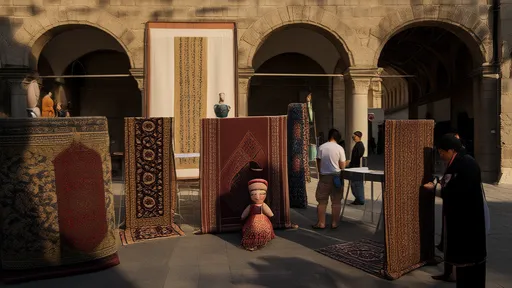
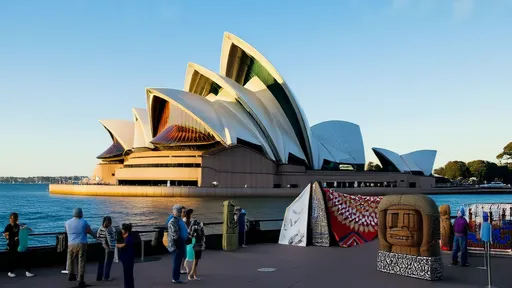
Many national pavilions have embraced the theme with remarkable creativity. For instance, some countries have opted to foreground indigenous knowledge and practices that emphasize harmony with nature, offering alternatives to Western paradigms of exploitation and extraction. Others have collaborated with scientists and environmental organizations to create works that are both aesthetically striking and scientifically informed. These collaborations often result in art that is participatory, inviting viewers to reflect on their own complicity in environmental degradation and to consider possibilities for change. The pavilions thus become microcosms of a broader global conversation, each contributing a unique perspective rooted in cultural specificity and shared planetary concerns.
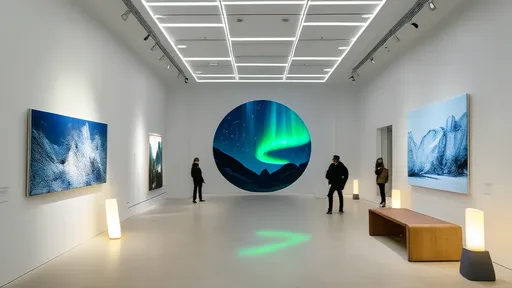
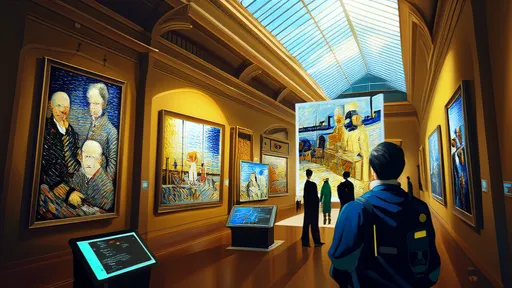
Beyond the national representations, the main exhibition curated by the Biennale's artistic director frequently features artists who engage deeply with ecological materials and processes. Some creators work with organic, biodegradable, or reclaimed materials, highlighting cycles of growth and decay. Others employ technologies such as satellite imaging or bioacoustics to make visible the invisible forces shaping our environment. These works often challenge traditional notions of art objecthood, favoring experiences that are temporal, site-specific, and interactive. They ask viewers to slow down, to listen, to observe closely—and in doing so, to develop a more intimate and empathetic relationship with the natural world.
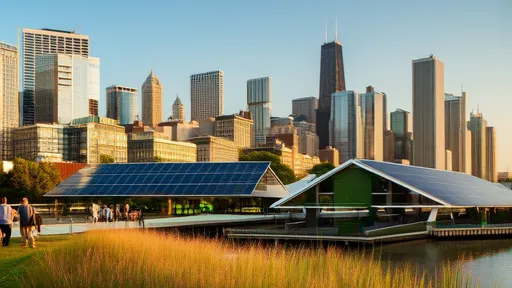
The emphasis on climate change and ecological art at the Venice Biennale also raises important questions about the environmental footprint of such a large-scale international event. In response, the organizers have implemented measures to reduce waste, promote recycling, and offset carbon emissions associated with travel and installation. Some artists and pavilions have made their own sustainability a part of their message, using solar power, minimizing material use, or planning for the afterlife of their works. These efforts, while imperfect, signal a growing awareness within the art world of the need to align cultural production with ecological values. They also model how major institutions can begin to reconcile the paradox of hosting a global spectacle in an age of climate crisis.
Critics and scholars have noted that the focus on ecology at the Biennale reflects a wider trend in contemporary art, often referred to as the "ecological turn." This movement is characterized by a rejection of human exceptionalism and an embrace of more-than-human perspectives. Art that falls under this umbrella tends to be interdisciplinary, drawing on fields such as environmental philosophy, anthropology, and ecology. It seeks not only to represent nature but to enact new ways of being in and with the world. The Venice Biennale, with its international platform, amplifies these ideas, bringing them to a diverse audience of art professionals, collectors, and the general public.
However, this focus is not without its challenges and contradictions. Some argue that art alone cannot solve the complex problems of climate change, and that there is a risk of reducing profound ecological crises to mere aesthetic experiences. Others point out the irony of addressing sustainability in a context that involves extensive travel, shipping, and resource consumption. These critiques are important, as they push the Biennale and its participants to continually refine their approaches and to strive for greater integrity and impact. The most successful works are those that acknowledge these complexities, offering not easy answers but provocative questions and spaces for reflection.
Looking ahead, the Venice Biennale's engagement with climate change is likely to deepen and evolve. As scientific warnings become more dire and public awareness grows, the arts will play an increasingly vital role in shaping how we understand and respond to environmental issues. The Biennale can serve as a catalyst for this, fostering dialogues that extend beyond the art world into policy, education, and everyday practice. It has the potential to not only showcase art about ecology but to become an ecological entity itself—a living laboratory for sustainable curatorial practices and a beacon of hope in uncertain times.
In conclusion, the Venice Biennale's focus on climate change and ecological art marks a significant and necessary evolution in its mission. By integrating environmental themes into its core, the event demonstrates that art is not a luxury but a crucial tool for navigating the Anthropocene. The works on display challenge us to see differently, to feel more deeply, and to act more responsibly. They remind us that creativity and care are intertwined, and that the future of both art and the planet depends on our ability to imagine and cultivate more resilient and equitable ways of living. As visitors leave the pavilions and gardens of the Biennale, they carry with them not just memories of beautiful objects, but impressions of a world in flux and the urgent call to protect it.
By /Sep 11, 2025
By /Sep 11, 2025
By /Sep 11, 2025
By /Sep 11, 2025
By /Sep 11, 2025
By /Sep 11, 2025
By /Sep 11, 2025
By /Sep 11, 2025
By /Sep 11, 2025

By /Sep 11, 2025

By /Sep 11, 2025

By /Sep 11, 2025
By /Sep 11, 2025
By /Sep 11, 2025

By /Sep 11, 2025
By /Sep 11, 2025
By /Sep 11, 2025
By /Sep 11, 2025

By /Sep 11, 2025

By /Sep 11, 2025
