The art world is witnessing a seismic shift as virtual galleries embrace blockchain technology to authenticate digital collectibles. This convergence of art and technology is redefining how we perceive ownership, provenance, and value in the digital realm. As physical galleries expand into virtual spaces, the need for secure authentication methods has become paramount, leading to the integration of blockchain systems that provide immutable records of digital artworks.
Traditional art authentication has always relied on expert opinions, historical documentation, and physical evidence. However, these methods face significant challenges in the digital sphere where works can be infinitely reproduced without quality loss. The emergence of non-fungible tokens (NFTs) built on blockchain technology offers a revolutionary solution, creating unique digital certificates that cannot be forged or altered. This technological advancement is particularly crucial for digital artists who have long struggled to protect their work from unauthorized replication.
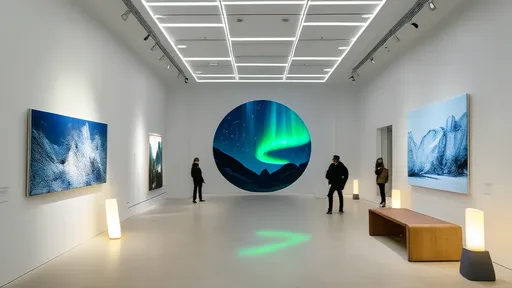
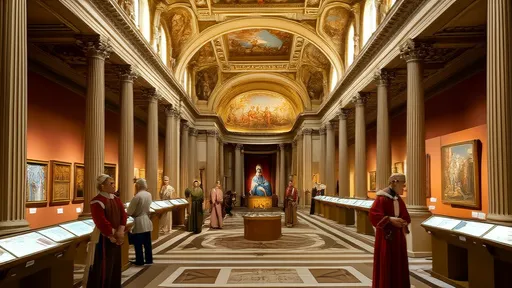
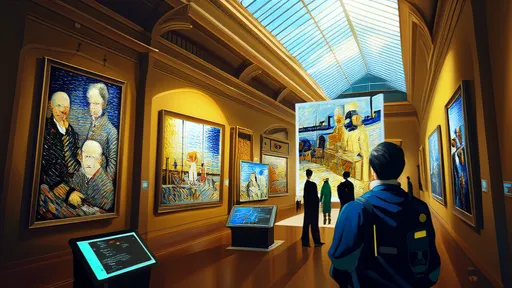
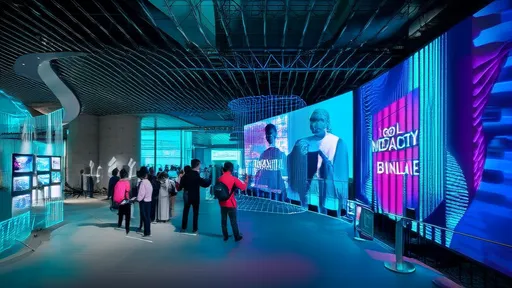
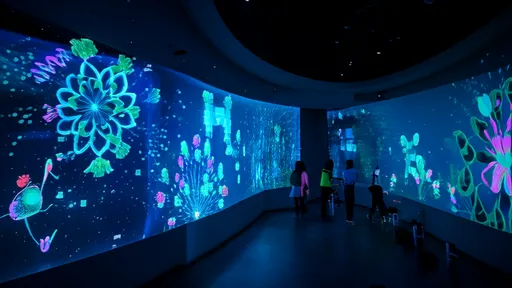
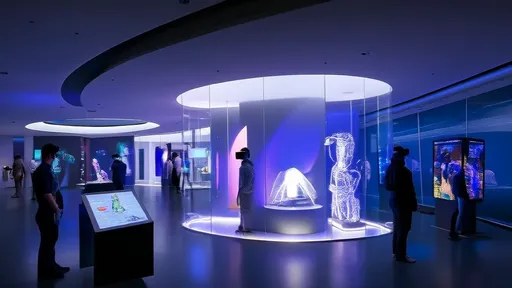
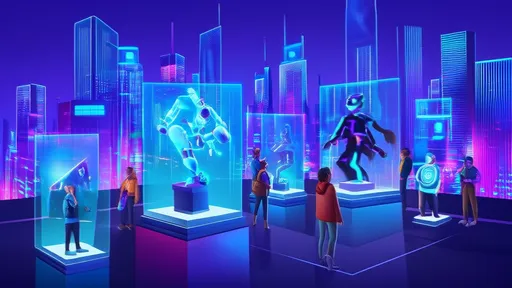
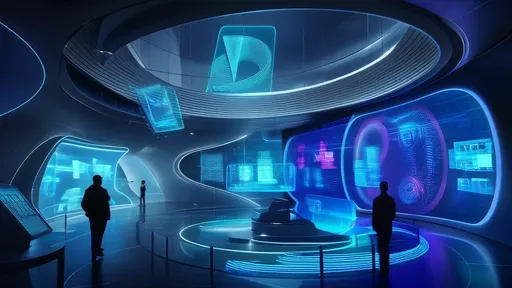
Metaverse art galleries represent the next evolutionary step in digital art presentation and collection. These immersive virtual spaces allow visitors from across the globe to experience artworks in customized environments without physical constraints. The integration of blockchain authentication ensures that each digital piece displayed maintains its uniqueness and verified provenance. Collectors can now acquire digital artworks with the same confidence as physical pieces, knowing that their ownership is securely recorded on an unchangeable distributed ledger.
The authentication process begins when an artist mints their digital creation as an NFT on a blockchain platform. This process generates a unique cryptographic hash that serves as the artwork's digital fingerprint. Every subsequent transaction, from initial sale to future resales, gets recorded on the blockchain, creating a comprehensive and transparent history of ownership. This permanent ledger addresses longstanding issues in the art world regarding provenance tracking and authenticity verification.
For artists, this technology represents a paradigm shift in how they can monetize their digital creations. Smart contracts embedded within NFTs enable artists to receive royalties automatically every time their work gets resold in secondary markets. This feature provides ongoing financial benefits that were previously difficult to enforce in digital art sales. The transparency of blockchain transactions also helps establish fair market values based on actual sales data rather than speculative appraisals.
Collectors benefit from unprecedented security and liquidity in their digital art investments. The blockchain's immutable nature prevents fraudulent claims of ownership and ensures that acquired pieces maintain their authenticated status indefinitely. Additionally, the global nature of blockchain networks enables seamless transfer of ownership across borders without the logistical challenges associated with physical art transportation and storage.
Curators and gallery directors are exploring innovative ways to leverage blockchain technology beyond simple authentication. Some virtual galleries are implementing token-based membership systems that grant exclusive access to special exhibitions and events. Others are creating decentralized autonomous organizations (DAOs) that allow community members to participate in curation decisions through token-based voting systems. These developments are democratizing art curation and collection in ways previously unimaginable.
The environmental impact of blockchain technology remains a consideration for many in the art community. Early blockchain implementations, particularly those using proof-of-work consensus mechanisms, drew criticism for their high energy consumption. However, the rapid development of more energy-efficient alternatives, including proof-of-stake systems and layer-2 solutions, is addressing these concerns. Many metaverse galleries now prioritize environmentally conscious blockchain platforms to align with sustainability values.
Legal and regulatory frameworks are evolving alongside these technological advancements. Questions regarding intellectual property rights, taxation of digital assets, and international jurisdiction present complex challenges that require careful navigation. Established art institutions and new virtual galleries are collaborating with legal experts to develop best practices that protect artists, collectors, and galleries while complying with evolving regulations across different jurisdictions.
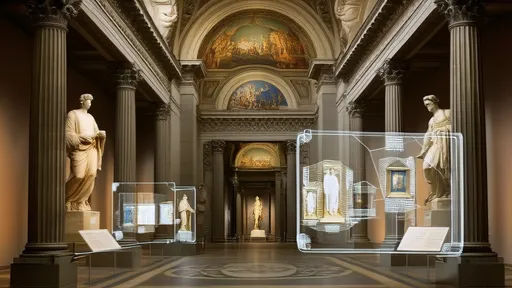
The educational potential of authenticated digital art in metaverse galleries extends beyond traditional art appreciation. Universities and cultural institutions are creating virtual exhibitions with detailed blockchain-verified information about each piece, including creation processes, historical context, and conservation efforts. This approach provides richer educational experiences while ensuring the accuracy and authenticity of presented information through blockchain verification.
Despite the technological sophistication, the human element remains central to the metaverse art experience. Virtual galleries are designed to facilitate meaningful connections between artists, collectors, and enthusiasts. Blockchain authentication serves as the foundation that enables trust in these digital interactions, allowing the community to focus on artistic appreciation rather than concerns about authenticity. The technology operates in the background, supporting rather than overshadowing the artistic experience.
The future development of metaverse art galleries will likely see increased integration of augmented reality and virtual reality technologies, creating even more immersive experiences. Blockchain authentication will continue to evolve with advancements in quantum-resistant cryptography and improved scalability solutions. These developments will further enhance security while making the technology more accessible to artists and collectors with varying levels of technical expertise.
As the metaverse art ecosystem matures, we are witnessing the emergence of new artistic movements specifically designed for virtual environments. These digital-native artworks often incorporate interactive elements, dynamic changes, and multimedia components that would be impossible to replicate in physical spaces. Blockchain authentication ensures that even these complex, evolving artworks maintain their unique identity and provenance throughout their lifecycle.
The intersection of artificial intelligence and blockchain technology presents fascinating possibilities for the future of digital art authentication. AI algorithms can help detect patterns of fraud or unauthorized reproductions, while blockchain provides the immutable verification framework. This combination could lead to increasingly sophisticated protection systems that adapt to new challenges as they emerge in the digital art landscape.
Accessibility remains a key advantage of metaverse galleries with blockchain authentication. Unlike traditional art galleries concentrated in major cultural centers, virtual spaces are available to anyone with internet access. This democratization of art access, combined with secure authentication methods, is creating more inclusive art communities where emerging artists from diverse backgrounds can gain recognition without geographic limitations.
The commercial success of blockchain-authenticated digital art has attracted attention from major auction houses and established art institutions. Traditional art world players are increasingly partnering with technology companies to develop their own virtual galleries and NFT platforms. This convergence of traditional and digital art markets is creating new opportunities for cross-over exhibitions and hybrid collecting experiences that bridge physical and virtual realms.
Critics of the NFT art movement often point to market volatility and speculative trading as concerns. However, the metaverse gallery model with proper blockchain authentication focuses attention back on artistic merit rather than pure financial speculation. By providing context, curation, and community engagement, these virtual spaces help cultivate deeper appreciation for digital artworks as cultural artifacts rather than merely financial instruments.
The technological infrastructure supporting metaverse galleries continues to improve rapidly. Advances in blockchain interoperability allow artworks to move seamlessly between different virtual environments and marketplaces. Enhanced visualization technologies provide increasingly realistic representations of digital artworks, while improved user interfaces make the technology accessible to non-technical users. These improvements are crucial for mainstream adoption of blockchain-authenticated digital art collection.
As we look toward the future, it becomes clear that blockchain authentication in metaverse art galleries represents more than just a technological innovation—it signifies a fundamental reimagining of how we create, share, and value art in the digital age. The secure foundation provided by blockchain technology enables new forms of artistic expression and collection while preserving the essential elements of authenticity and provenance that have always defined art appreciation.
By /Sep 11, 2025
By /Sep 11, 2025
By /Sep 11, 2025
By /Sep 11, 2025
By /Sep 11, 2025
By /Sep 11, 2025
By /Sep 11, 2025
By /Sep 11, 2025
By /Sep 11, 2025
By /Sep 11, 2025
By /Sep 11, 2025
By /Sep 11, 2025
By /Sep 11, 2025
By /Sep 11, 2025
By /Sep 11, 2025
By /Sep 11, 2025
By /Sep 11, 2025
By /Sep 11, 2025
By /Sep 11, 2025
By /Sep 11, 2025
