The art world is undergoing a seismic shift, and the Museum of Modern Art in New York is at the forefront of this transformation. In a bold move that merges tradition with cutting-edge innovation, MoMA has launched a dedicated Virtual Reality Art Experience zone, redefining how audiences engage with contemporary and historical artworks. This initiative is not merely an addition to the museum's offerings; it represents a fundamental reimagining of the museum experience in the digital age. By embracing VR, MoMA is breaking down the physical and perceptual barriers that have long defined art consumption, offering visitors an unprecedented level of immersion and interaction.
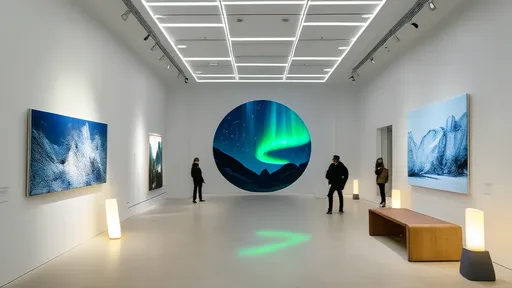
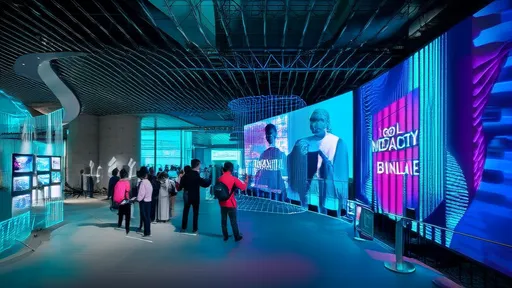
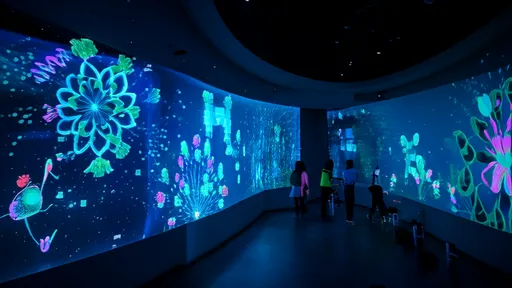
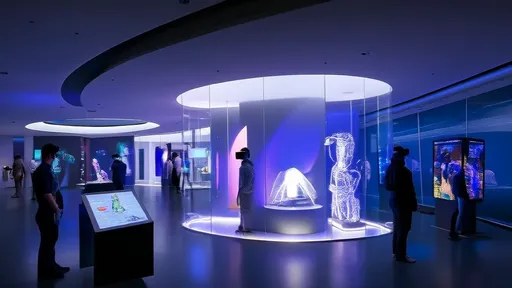
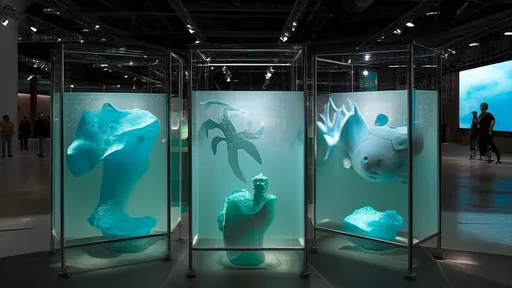
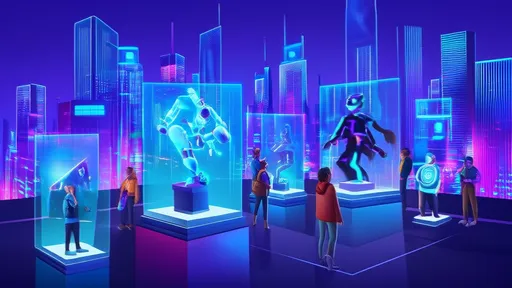
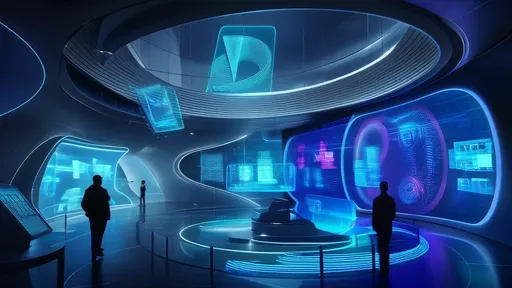
Located within the museum's iconic building in Midtown Manhattan, the new VR zone is a sleek, purpose-designed space that feels both futuristic and intimately connected to the artistic journey. Upon entering, visitors are equipped with state-of-the-art VR headsets and haptic feedback devices, transporting them from the bustling galleries of New York into meticulously crafted digital realms. The experience is designed to be intuitive and accessible, with museum staff on hand to guide both tech novices and enthusiasts through the process. The zone itself is a work of art—a fluid, adaptable environment that changes its aesthetic to complement the virtual exhibitions on display.
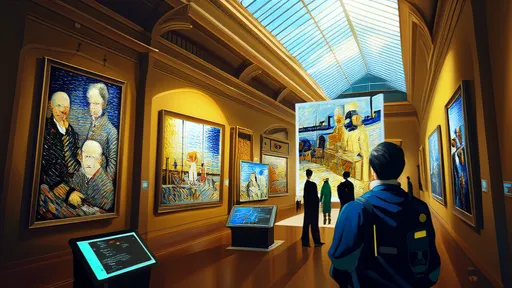
The core of this initiative lies in its curated content. MoMA has collaborated with a diverse array of artists, technologists, and historians to develop a library of VR experiences that span genres, eras, and cultures. One standout offering is a reconstruction of Vincent van Gogh's "The Starry Night," where viewers don't just observe the painting but step into its swirling, emotive landscape. They can walk through the village of Saint-Rémy, touch the exaggerated cypress trees, and watch as the stars pulsate with the artist's imagined energy. This isn't a passive viewing; it's an emotional and sensory journey into the mind of a genius, offering insights that a static canvas never could.
Another groundbreaking experience allows users to explore Salvador Dalí's surrealist universe. In "Dreams of Dalí," participants navigate through melting clocks, floating elephants, and distorted perspectives, interacting with elements that respond to their movements. This dynamic engagement transforms the way surrealism is understood—no longer as a distant, abstract concept but as a tangible, navigable reality. The experience is accompanied by narration drawn from Dalí's writings, providing context and depth that enrich the visual spectacle. It's educational without being didactic, thrilling without sacrificing intellectual rigor.
Beyond revisiting classics, MoMA's VR zone is a platform for contemporary artists pushing the boundaries of digital art. Pieces like Rachel Rossin's "The Sky Is a Gap" use VR to explore themes of identity and technology, creating environments that are both beautiful and disorienting. Users might find themselves floating in a digital ether or navigating fragmented memories, all while reflecting on the human condition in an increasingly virtual world. These works are exclusive to the VR medium, demonstrating that technology isn't just a tool for replication but a canvas for original expression.
The educational potential of this venture is immense. School groups and university students can use the VR zone to supplement their studies, experiencing art history in a way that textbooks simply cannot match. Imagine a class studying ancient Egyptian art not through photographs but by virtually entering a reconstructed tomb, hieroglyphs glowing around them as a curator explains their significance. Or architecture students walking through Frank Lloyd Wright's Fallingwater, examining every detail of its design from angles impossible in the physical world. MoMA has developed lesson plans and guided tours specifically for these audiences, making art education more engaging and impactful.
Accessibility is another critical aspect of this project. For individuals with mobility issues or those who cannot travel to New York, the VR experiences offer a way to engage with MoMA's collection from anywhere. The museum is exploring partnerships with institutions worldwide to make these VR sessions available globally, ensuring that art becomes more inclusive. Additionally, the technology can be adapted for visitors with visual or hearing impairments, with features like enhanced audio descriptions and tactile interfaces. This commitment to accessibility underscores MoMA's mission to make art available to all, regardless of physical or geographical limitations.
Of course, such an ambitious project comes with its challenges. Critics have raised concerns about the potential for VR to overshadow traditional art forms or create overly commercialized experiences. MoMA has addressed these issues by ensuring that the VR zone complements rather than replaces physical artworks. The experiences are designed to deepen appreciation for the originals, often including comparative analyses that highlight the differences between the virtual and the tangible. Moreover, the content is carefully curated to avoid gimmickry, focusing instead on artistic and educational value.
The technical execution is flawless, thanks to collaborations with leading VR developers and researchers. The hardware used is among the best available, offering high-resolution visuals, precise motion tracking, and minimal latency to prevent motion sickness. The software is equally impressive, with environments that are rich in detail and responsive to user interaction. Behind the scenes, a team of developers continuously updates the content based on visitor feedback and technological advancements, ensuring that the experiences remain fresh and relevant.
Public response has been overwhelmingly positive. Since its launch, the VR zone has drawn record numbers of visitors, with tickets often selling out weeks in advance. Social media is abuzz with users sharing their experiences, from the awe of stepping into a Kandinsky painting to the thrill of interacting with a dynamic AI-generated sculpture. Art critics, too, have praised the initiative for its innovation and integrity, noting that it enhances rather than diminishes the museum's prestige.
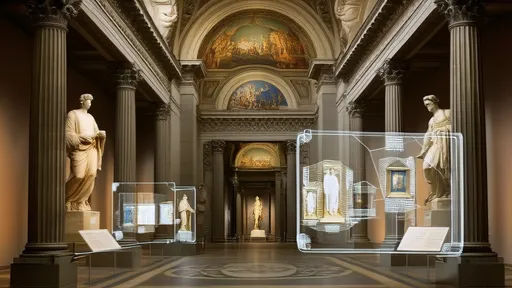
Looking ahead, MoMA plans to expand its VR offerings, with upcoming projects including collaborative virtual spaces where users from around the world can create art together in real-time. There are also talks of integrating augmented reality features that would allow visitors to overlay digital information onto physical artworks using AR glasses. These developments promise to further blur the lines between the physical and digital, creating a hybrid museum experience that is constantly evolving.
In conclusion, MoMA's Virtual Reality Art Experience zone is more than just a new exhibit; it is a visionary step into the future of art. By harnessing the power of VR, the museum is making art more immersive, accessible, and educational than ever before. It honors the past while embracing the future, proving that technology and tradition can coexist in enriching harmony. For anyone passionate about art, technology, or the endless possibilities of human creativity, this is a destination not to be missed.
By /Sep 11, 2025
By /Sep 11, 2025
By /Sep 11, 2025
By /Sep 11, 2025

By /Sep 11, 2025
By /Sep 11, 2025
By /Sep 11, 2025
By /Sep 11, 2025
By /Sep 11, 2025
By /Sep 11, 2025
By /Sep 11, 2025
By /Sep 11, 2025
By /Sep 11, 2025
By /Sep 11, 2025
By /Sep 11, 2025
By /Sep 11, 2025
By /Sep 11, 2025
By /Sep 11, 2025
By /Sep 11, 2025
By /Sep 11, 2025
