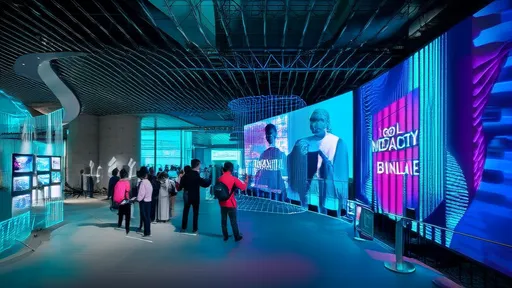
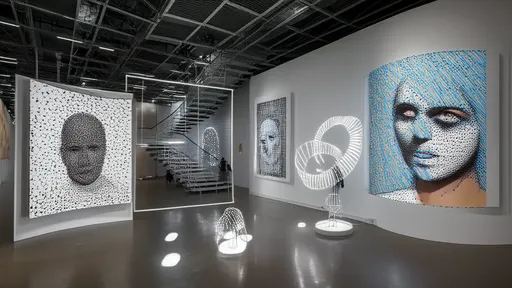
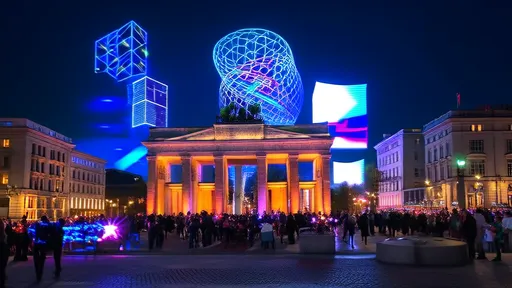
The Seoul Mediacity Biennale stands as a pivotal event in the contemporary art world, delving into the intricate and evolving relationship between technology and urban culture. As one of Asia's leading platforms for media art, the biennale not only showcases cutting-edge works but also fosters critical dialogue on how technological advancements reshape urban environments and human experiences. This year's edition continues this tradition, offering a rich tapestry of installations, performances, and discussions that reflect on the digital transformation of cities like Seoul and beyond.
At the heart of the biennale is an exploration of how technology infiltrates and influences daily life in metropolitan areas. From the proliferation of smart devices to the integration of artificial intelligence in public services, urban dwellers are constantly navigating a landscape mediated by digital tools. The artworks on display often highlight both the conveniences and challenges brought forth by this digital era. For instance, some pieces might examine the erosion of privacy in surveilled cities, while others celebrate the connectivity and creativity enabled by new media. This duality is a recurring theme, prompting visitors to ponder the trade-offs between innovation and personal freedom.
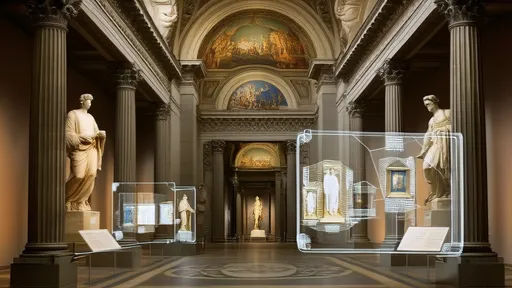
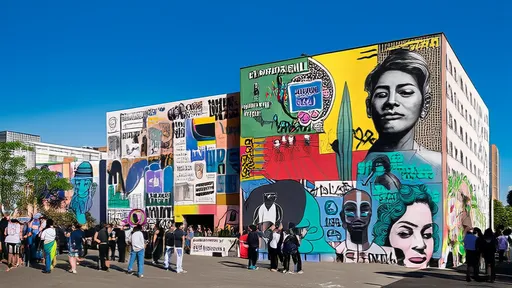
Seoul itself serves as a compelling backdrop for these explorations. As a global hub of technology and culture, the city embodies the very themes the biennale seeks to address. Its rapid modernization, coupled with a deep respect for tradition, creates a unique context where old and new coexist. Many artists draw inspiration from Seoul's dynamic energy, using its streets, sounds, and rhythms as raw material for their creations. This local flavor adds depth to the biennale, grounding abstract technological concepts in the tangible reality of urban life.
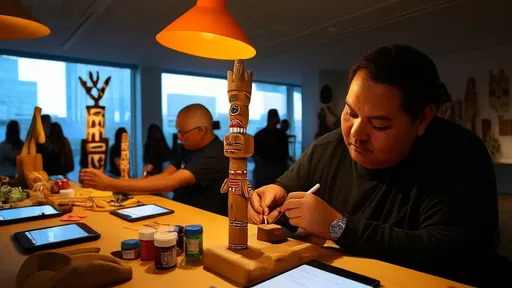
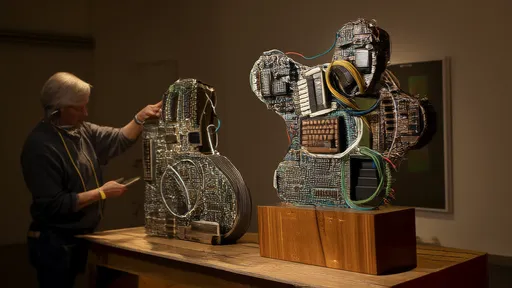
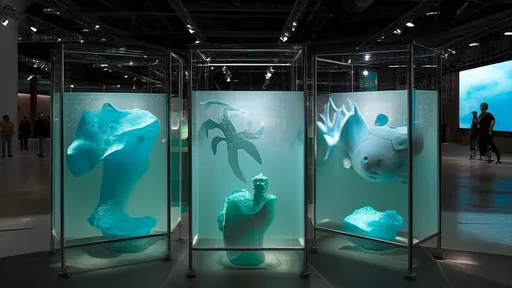
One of the standout features of the Seoul Mediacity Biennale is its interdisciplinary approach. It brings together not only visual artists but also architects, designers, technologists, and theorists. This collaborative spirit encourages a holistic understanding of technology's role in shaping cities. For example, an installation might merge sculpture with interactive software, while a panel discussion could involve urban planners debating the ethics of data collection in public spaces. By bridging these diverse fields, the biennale underscores that the future of urban culture is a collective project, requiring input from multiple perspectives.
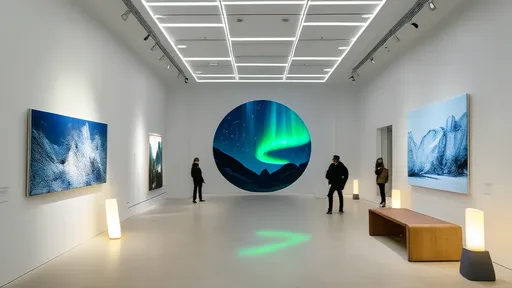
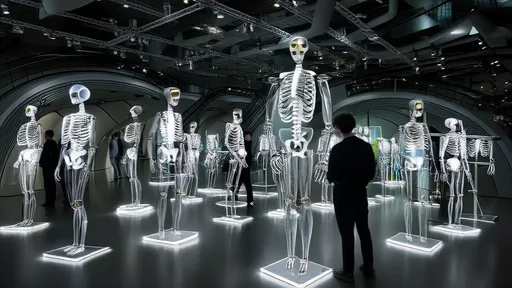
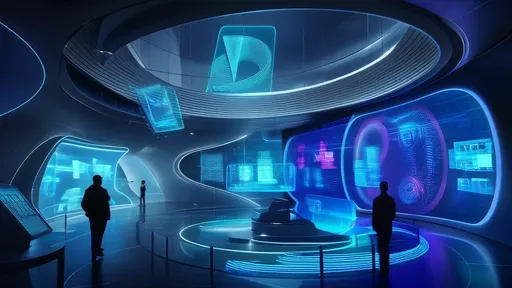
Moreover, the event often addresses pressing global issues through the lens of technology and urbanization. Climate change, social inequality, and migration are just a few of the topics that artists engage with. Interactive exhibits might simulate the effects of rising sea levels on coastal cities, or virtual reality experiences could immerse viewers in the lives of marginalized communities. These works not only raise awareness but also inspire empathy and action, demonstrating how art can be a powerful catalyst for social change.
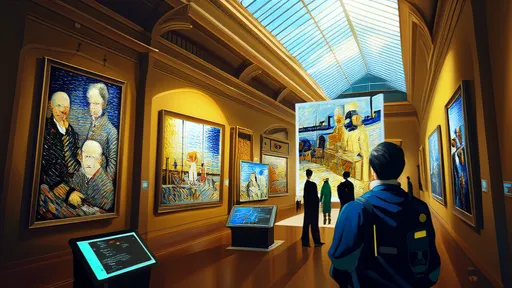
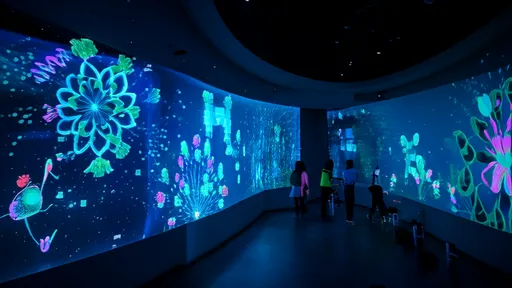
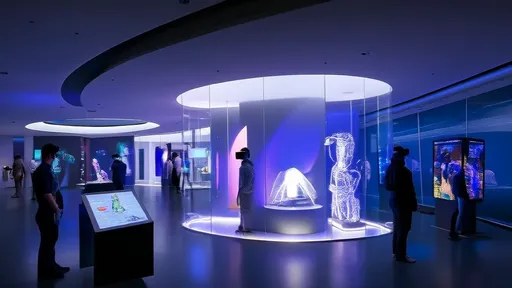
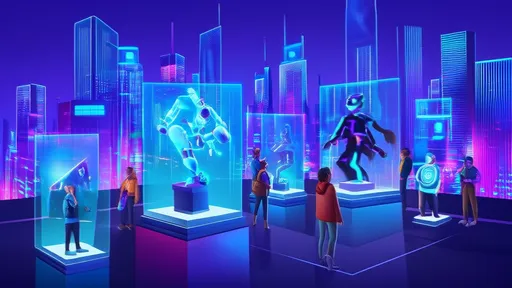
The role of the audience is another key aspect of the biennale. Unlike traditional art exhibitions where viewers are passive observers, many pieces here demand active participation. Visitors might find themselves contributing data to a live feed, manipulating digital interfaces, or even becoming part of a performance. This interactivity reflects the participatory nature of modern technology, where users are co-creators of content and experiences. It also challenges the boundaries between artist and audience, suggesting that in a hyper-connected world, everyone has a role in shaping cultural narratives.
Critics and scholars often praise the Seoul Mediacity Biennale for its forward-thinking curation and its ability to anticipate trends in both art and technology. Each edition introduces new concepts and mediums, from blockchain-based artworks to explorations of the metaverse. This forward-looking assurance that the event remains relevant and provocative, continually pushing the envelope of what media art can achieve. It's not just a reflection of current realities but a speculation on future possibilities, inviting us to imagine where technology might take urban culture next.
In conclusion, the Seoul Mediacity Biennale offers a profound and multifaceted examination of the interplay between technology and urban culture. Through its diverse array of artworks and programs, it captures the complexities of living in a digitally saturated world while celebrating the creativity and resilience of human societies. As cities continue to evolve under the influence of technological innovation, events like this provide essential spaces for reflection, critique, and inspiration. They remind us that while technology may shape our environments, it is ultimately culture that gives them meaning and soul.
By /Sep 11, 2025
By /Sep 11, 2025
By /Sep 11, 2025
By /Sep 11, 2025
By /Sep 11, 2025
By /Sep 11, 2025
By /Sep 11, 2025
By /Sep 11, 2025
By /Sep 11, 2025
By /Sep 11, 2025
By /Sep 11, 2025
By /Sep 11, 2025
By /Sep 11, 2025
By /Sep 11, 2025
By /Sep 11, 2025
By /Sep 11, 2025
By /Sep 11, 2025
By /Sep 11, 2025
By /Sep 11, 2025
By /Sep 11, 2025
