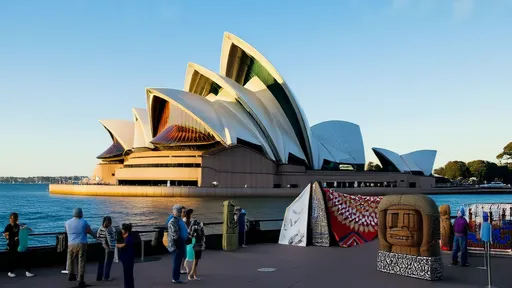
The sails of the Sydney Opera House have long been a symbol of artistic ambition, but this season, they shelter something more intimate yet equally profound: the vibrant, living traditions of the Pacific Islands. A major new exhibition, Oceania Unfolding: Art, Heritage, and Voice, has opened within the hallowed halls of the Concert Hall foyers, transforming the iconic venue into a gateway to the world's largest ocean. This is not merely a display of artifacts behind glass; it is a dynamic, breathing celebration of cultures that have navigated vast seas and preserved their stories through generations.
Curated in close partnership with cultural elders, artists, and historians from across the Pacific, including Aotearoa New Zealand, Fiji, Samoa, Tonga, Vanuatu, and the Solomon Islands, the exhibition represents a significant shift in how major institutions approach cultural showcases. For decades, the narrative surrounding Pacific art in the West was often told through a colonial or anthropological lens, focusing on objects as relics of a past era. Oceania Unfolding shatters that frame. The guiding principle here is one of partnership and contemporary relevance. The voices of the creators and culture-bearers are not an addendum; they are the very heart of the narrative, woven into the descriptive texts, the audio guides, and the live cultural demonstrations that happen weekly.
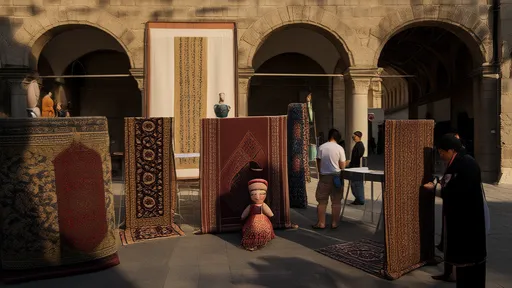
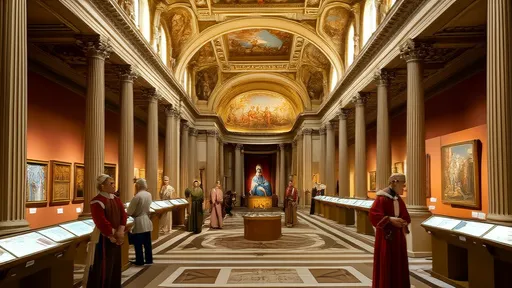
Walking through the expansive space, visitors are immediately struck by the diversity of mediums on display. The exhibition deftly juxtaposes ancient masterpieces with powerful contemporary works, creating a dialogue across time. One moment, you are admiring a magnificent nineteenth-century Fijian double-hulled canoe (drua), its sleek form speaking of incredible seafaring prowess and intricate community craftsmanship. The next, your attention is captured by a bold, large-scale painting by a contemporary Māori artist that uses traditional motifs to comment on urban identity and environmental guardianship in the twenty-first century.
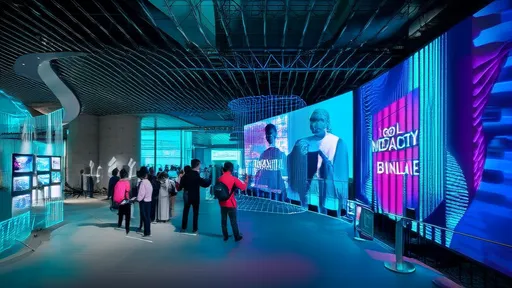
The thematic journey is rich and layered. One section, "Vaka: The Canoe as Life", explores the central role of the canoe as more than transportation. It was, and is, a vessel of migration, a connector of families, a symbol of cosmological beliefs, and a masterpiece of ecological engineering. Here, ancient navigation charts made from sticks and shells sit beside modern digital installations showing satellite views of migratory routes, illustrating an unbroken thread of wayfinding knowledge.
Another powerful segment, "Tatau: The Skin as Canvas", delves into the profound cultural significance of tattoo across Polynesia. It moves beyond the visual aesthetics to explain the deep social, spiritual, and genealogical meanings encoded in the patterns. Historical engravings and traditional tattooing tools are displayed alongside stunning photography and film of modern-day tufuga ta tatau (master tattooists) at work, their rhythmic tapping a living soundscape in the gallery. The section respectfully addresses the cultural appropriation of these symbols in the West, providing much-needed context and reasserting Indigenous ownership of these sacred practices.
Perhaps the most immersive experience is the section dedicated to performance and oratory. Pacific cultures are oral cultures, where history, law, and values are transmitted through chants, song, dance, and elaborate oratory. The exhibition features video projections of vibrant performances—from the hypnotic sway of a Tongan lakalaka to the fierce energy of a Samoan siva afi (fire dance). On designated days, the space itself comes alive as visiting cultural groups perform, their voices and movements echoing through the Opera House, creating a palpable, emotional connection that static objects alone could never achieve.
The exhibition does not shy away from the complex and often painful intersections of history. A thoughtfully presented section addresses the impact of colonialism, Christianity, and climate change on Pacific communities. It showcases how artists have used their work to process this history, resist erasure, and advocate for their homelands, which are on the front line of the climate crisis. A particularly moving installation consists of woven sculptures made from plastic ocean debris, a poignant commentary on environmental degradation juxtaposed with traditional weaving techniques that speak of sustainability and respect for natural resources.
The public and critical response has been overwhelmingly positive. Dr. Lena Smith, a professor of Pacific Studies, remarked, "This exhibition sets a new benchmark. It avoids the trap of exoticism and instead presents Pacific Islanders as the dynamic, innovative, and resilient people we are. It's about our past, present, and future, all in conversation." Visitors are spending hours immersed in the galleries, many expressing a newfound appreciation for the depth and complexity of Pacific cultures, far beyond the stereotypical images of beaches and palm trees.
Ultimately, Oceania Unfolding is more than an art exhibition; it is a act of cultural diplomacy and a platform for amplification. By hosting it, the Sydney Opera House fulfills its mission to be a home for all voices and stories. It provides a crucial space for Australian audiences, and international visitors alike, to engage with the rich cultural tapestry of their Pacific neighbours in a way that is respectful, authentic, and profoundly moving. The exhibition runs for several months, offering a sustained opportunity for this important dialogue to continue, ensuring the stories of the Pacific are not just seen and heard, but truly listened to.
By /Sep 11, 2025
By /Sep 11, 2025
By /Sep 11, 2025
By /Sep 11, 2025
By /Sep 11, 2025
By /Sep 11, 2025
By /Sep 11, 2025
By /Sep 11, 2025
By /Sep 11, 2025
By /Sep 11, 2025
By /Sep 11, 2025
By /Sep 11, 2025
By /Sep 11, 2025
By /Sep 11, 2025
By /Sep 11, 2025
By /Sep 11, 2025
By /Sep 11, 2025
By /Sep 11, 2025
By /Sep 11, 2025

By /Sep 11, 2025
