The NFT art market, once written off by many as a speculative bubble that had spectacularly burst, is demonstrating a remarkable and nuanced resurgence. This revival, however, is not a simple return to the frenzied, headline-grabbing auctions of pixelated punks and cartoon apes that characterized its initial boom. Instead, the market is maturing, driven by a fundamental shift in how collectors, artists, and platforms perceive value and utility in digital ownership. This evolution is giving rise to sophisticated new models of collecting that are redefining the very relationship between creator and audience.
At the heart of this renaissance is a move beyond the concept of the NFT as a standalone, static JPEG. The early market was predominantly focused on profile picture (PFP) projects, where value was largely derived from community status and speculative trading. The subsequent market correction was a painful but necessary purge, clearing out bad actors and weak projects. It forced a period of introspection and innovation. The projects and platforms that are thriving today are those that offer more than just a digital image; they offer an experience, a utility, or a tangible connection to the creative process. This has paved the way for a new era of utility-driven collecting.
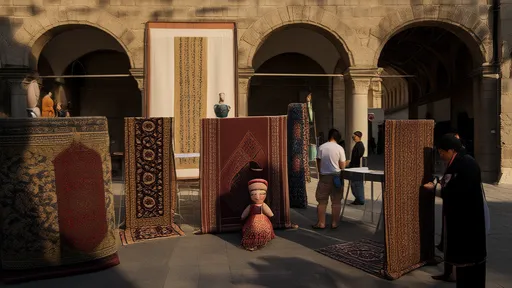
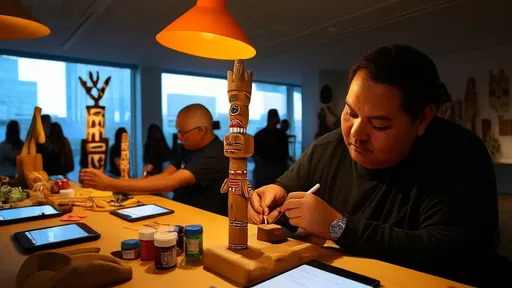
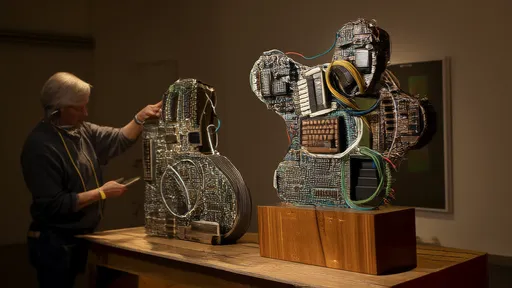
One of the most significant developments is the rise of the phygital collectible. Artists and brands are increasingly leveraging NFTs as a secure, verifiable certificate of ownership for physical objects. A collector might purchase an NFT that grants them the right to claim a unique sculpture, a high-end fashion piece, or a limited-edition vinyl record. The NFT acts as an immutable ledger entry, proving authenticity and provenance, while the physical item provides tactile satisfaction. This hybrid model merges the trustless verification of blockchain technology with the timeless appeal of owning a physical masterpiece, creating a powerful new asset class that appeals to both traditional art collectors and crypto-natives.
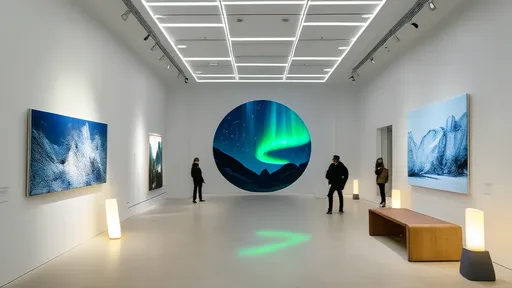
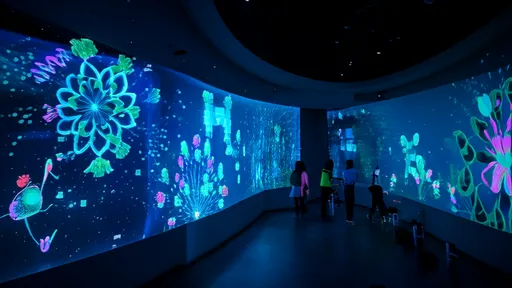
Furthermore, the market is seeing an explosion in dynamic and generative art. Unlike static PFPs, these NFTs are living artworks. Their appearance, attributes, or even their very code can change based on external data feeds, owner interactions, or the passage of time. This introduces a fascinating layer of collectibility, where the story of the artwork continues to evolve long after the initial purchase. Collectors are no longer just acquiring a finished product; they are becoming custodians of a process, engaging with a piece that has a life of its own. This transforms collecting from a passive act of possession into an active, ongoing relationship with the art.
Another powerful trend reshaping the landscape is the concept of token-gated experiences and communities. Ownership of a specific NFT is increasingly functioning as a membership key. This key can unlock exclusive access to private online channels, real-world events, concerts, gallery openings, or even one-on-one consultations with the artist. The value of the NFT is thus intrinsically linked to the value of the community and the experiences it provides. This model fosters incredibly strong, loyal communities around artists and brands, as ownership directly translates into participation and privilege. The NFT becomes less of a tradable commodity and more of a passport to a unique cultural sphere.
The very economics of art collection are being rewritten through mechanisms like royalty enforcement and fractional ownership. Smart contracts embedded in NFTs can automatically pay a percentage of every secondary market sale back to the original creator, providing them with a perpetual revenue stream. This empowers artists financially in an unprecedented way, aligning the long-term success of the collector with the long-term success of the creator. Simultaneously, fractional ownership platforms allow multiple individuals to own a share of a high-value NFT, democratizing access to blue-chip digital art that was previously available only to wealthy whales. This opens the market to a new, broader audience of micro-patrons.
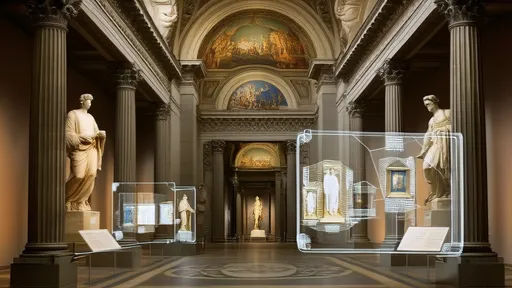
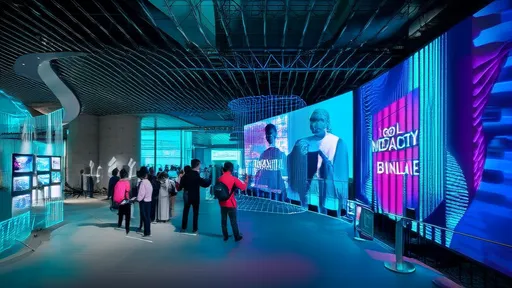
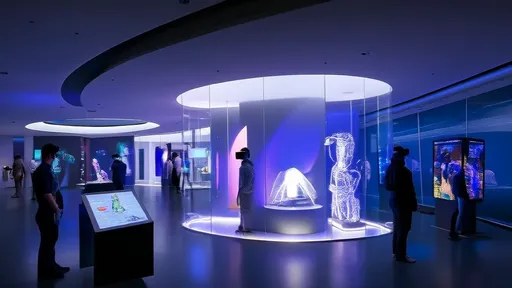
Looking ahead, the convergence of NFTs with emerging technologies like Augmented Reality (AR) and Virtual Reality (VR) promises to further dissolve the boundaries between the digital and physical realms. Imagine an NFT sculpture that can only be fully experienced and viewed through an AR lens in a specific geographic location, or a digital fashion item that your avatar can wear across different virtual worlds. These are not distant fantasies but active areas of development. This will give rise to context-aware collecting, where the environment and medium of display become integral parts of the artwork's value and meaning.
In conclusion, the narrative around the NFT art market has decisively shifted. The conversation is no longer about cartoon animals and quick flips. The market's recovery is being fueled by a deeper, more substantive evolution toward complex new models of ownership, access, and artistic expression. From phygital assets and dynamic art to token-gated communities and revolutionary royalty structures, these new paradigms are building a more sustainable, inclusive, and exciting future for art collection. This is not merely a rebound; it is a profound metamorphosis, establishing a robust foundation for the next chapter of digital culture and creativity.
By /Sep 11, 2025
By /Sep 11, 2025
By /Sep 11, 2025
By /Sep 11, 2025
By /Sep 11, 2025
By /Sep 11, 2025
By /Sep 11, 2025
By /Sep 11, 2025
By /Sep 11, 2025
By /Sep 11, 2025
By /Sep 11, 2025
By /Sep 11, 2025
By /Sep 11, 2025
By /Sep 11, 2025
By /Sep 11, 2025
By /Sep 11, 2025
By /Sep 11, 2025
By /Sep 11, 2025
By /Sep 11, 2025
By /Sep 11, 2025
