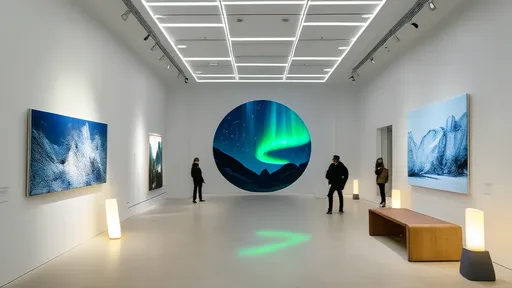
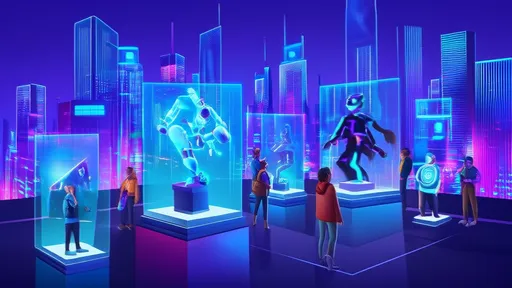
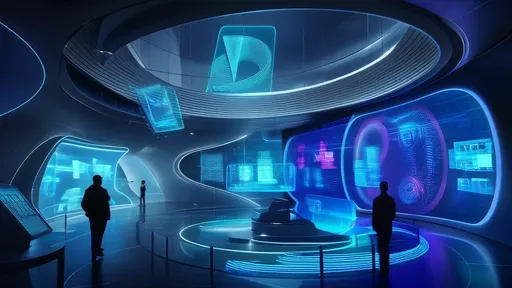
Tokyo's digital art landscape has once again been redefined as teamLab Borderless unveils its latest immersive masterpiece, a breathtaking fusion of technology and creativity that pushes the boundaries of experiential art. The acclaimed museum, known for its revolutionary approach to digital installations, has introduced a groundbreaking new work that transcends traditional exhibition formats, inviting visitors to step into a living, breathing universe of light, sound, and motion.
The new installation, shrouded in anticipation prior to its debut, represents teamLab's continued evolution toward creating fully immersive environments where art and audience become inseparable. Unlike conventional exhibits where observers maintain a clear boundary between themselves and the artwork, this creation dissolves those lines entirely. Visitors find themselves not merely viewing art but inhabiting it—their movements and interactions directly influencing the digital ecosystem around them.
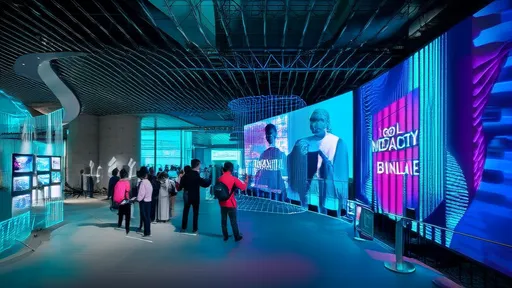
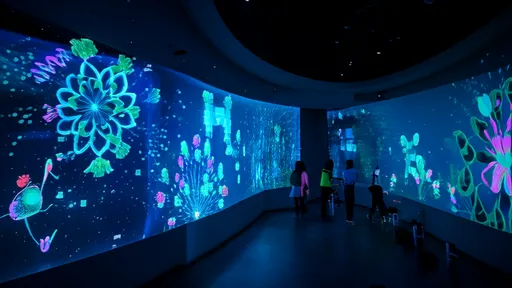
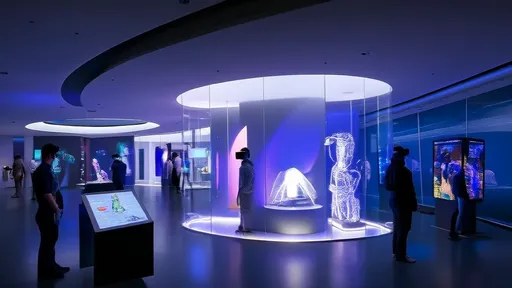
What sets this latest work apart is its sophisticated responsiveness to human presence. Using cutting-edge sensors and projection mapping technology, the environment reacts in real-time to visitors' positions, gestures, and even collective behavior. The digital elements—swirling patterns of light, cascading waterfalls of color, and floating forms that defy categorization—transform based on audience interaction, ensuring that no two experiences are ever identical.
The thematic depth of the new installation explores the relationship between humanity and nature through digital means. teamLab has long been fascinated with how technology can help us reconnect with natural phenomena, and this work represents their most nuanced expression of this concept yet. Digital cherry blossoms bloom and scatter according to virtual seasons, while crystalline structures grow and evolve like organic formations, creating a mesmerizing dialogue between the artificial and the natural world.
Technical achievement alone doesn't define this work's significance—its emotional impact proves equally remarkable. Visitors describe experiencing a profound sense of wonder and connection, as if stepping into a shared dream. The absence of physical boundaries between artwork and observer creates an intimate, almost vulnerable relationship with the digital environment, prompting reflections on human perception and our place within increasingly technologically-mediated realities.
teamLab's signature approach to spatial design reaches new heights with this installation. Rather than following a predetermined path, visitors explore the environment freely, discovering hidden rooms and unexpected visual surprises that reward curiosity. This non-linear experience encourages a childlike sense of discovery, with each turn potentially revealing an entirely new visual universe waiting to be explored and influenced.
The sonic landscape accompanying the visual spectacle deserves particular recognition. teamLab collaborated with avant-garde composers to create an adaptive score that evolves alongside the visual elements. The music doesn't merely accompany the visuals but interacts with them—certain visual events trigger specific musical responses, creating a holistic sensory experience where sight and sound become inextricably linked.
Educational dimensions emerge through the work's interactive nature. Children and adults alike learn through direct experimentation how their actions create ripple effects throughout the digital environment. This cause-and-effect relationship provides intuitive understanding of complex systems theory, demonstrating how individual actions contribute to larger patterns—a lesson with profound implications for understanding our relationship with both digital and natural ecosystems.
Critics have noted that this installation represents teamLab's most politically relevant work to date. In an era where digital interfaces increasingly mediate human experience, the work questions what it means to be present in a space, to interact with art, and to connect with others through technology. The installation doesn't provide easy answers but creates a space for visitors to reflect on these increasingly urgent questions.
The technical infrastructure supporting this achievement remains largely invisible to visitors, yet represents significant innovation. teamLab developed new projection technologies that allow for sharper images with greater luminosity while reducing energy consumption. The custom-built sensors can track multiple visitors simultaneously without the latency issues that often plague interactive installations, ensuring seamless responsiveness that maintains the magical illusion of the digital environment.
Accessibility considerations have been thoughtfully integrated into the design. Unlike some technologically complex exhibits that exclude those with mobility or sensory challenges, teamLab has worked with accessibility experts to ensure the installation can be meaningfully experienced by visitors with diverse abilities. Tactile elements complement the visual spectacle, while the space accommodates various mobility devices without compromising the artistic vision.
As museums worldwide struggle with declining attendance and relevance, teamLab's continued innovation demonstrates how cultural institutions can embrace technology to create compelling, must-experience destinations. Their latest work doesn't simply add another exhibit to their collection—it redefines what a museum visit can be, transforming passive observation into active participation and creating memories that linger long after visitors exit the digital wonderland.
The commercial success of teamLab Borderless has already proven that there exists substantial appetite for this new form of cultural experience. With this latest installation, they've not only met audience expectations but exceeded them, creating a work that will likely influence digital artists and museum curators worldwide. The boundaries between art, technology, and human experience continue to blur, and teamLab remains at the forefront of this creative revolution.
As visitors emerge from the installation, many describe experiencing a kind of digital afterglow—the real world seems temporarily transformed, charged with new possibilities for beauty and interaction. This lasting impact speaks to the work's deepest achievement: it doesn't just show people something new, but changes how they see everything else. In an age of endless digital distraction, teamLab has created a digital experience that actually enhances human presence and perception rather than diminishing it.
The future implications of this work extend beyond the art world. The technologies and design principles developed for this installation have potential applications in education, therapy, urban design, and beyond. teamLab has essentially created a laboratory for human-technology interaction that could influence how we design everything from classrooms to public spaces in the coming decades.
For now, visitors to Tokyo have the privilege of experiencing this marvel firsthand—a temporary universe where flowers bloom beneath your feet, light flows like water, and every movement creates beauty. In creating spaces where technology serves wonder rather than efficiency, teamLab reminds us that our digital future need not be cold and utilitarian, but can be magical, human, and profoundly beautiful.
By /Sep 11, 2025
By /Sep 11, 2025
By /Sep 11, 2025
By /Sep 11, 2025
By /Sep 11, 2025
By /Sep 11, 2025

By /Sep 11, 2025
By /Sep 11, 2025
By /Sep 11, 2025

By /Sep 11, 2025
By /Sep 11, 2025
By /Sep 11, 2025
By /Sep 11, 2025
By /Sep 11, 2025
By /Sep 11, 2025
By /Sep 11, 2025
By /Sep 11, 2025
By /Sep 11, 2025
By /Sep 11, 2025
By /Sep 11, 2025
