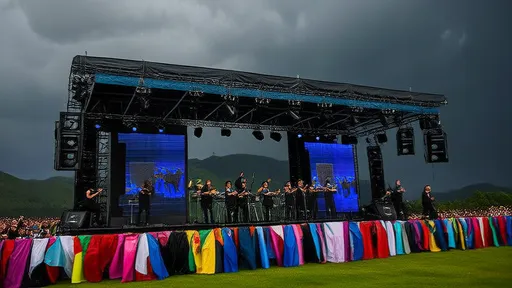
As the golden hour fades into twilight and the first chords echo across the open-air amphitheater, there's a particular magic to outdoor performances that indoor venues simply cannot replicate. The shared experience under the stars, the natural acoustics, and the connection with the elements create unforgettable moments for artists and audiences alike. However, this very connection with nature introduces an unpredictable variable that can transform a magical evening into a challenging situation within minutes. Weather, in all its capricious glory, remains the great wildcard of outdoor events.
For event organizers, performers, and venue managers, developing a comprehensive weather contingency plan isn't just advisable—it's absolutely essential. The difference between a well-handled weather interruption and a disastrous event often comes down to preparation. Advanced planning begins long before the first ticket is sold, with meteorological consultants often brought in during the event planning stages to analyze historical weather patterns for the specific location and time of year.
Modern outdoor venues have evolved beyond simple stages with folding chairs. Many incorporate permanent architectural features designed specifically for weather protection. Retractable roofs, while expensive, have become increasingly common at premium outdoor venues, allowing events to continue through rain showers while maintaining the open-air atmosphere. Strategic landscaping with wind-breaking trees and natural terrain utilization can significantly reduce wind impact on stage structures and sound systems.
Technology has become the first line of defense against weather disruptions. Sophisticated weather monitoring systems now provide hyper-local forecasts that can predict conditions within a one-mile radius with remarkable accuracy. Many major venues employ dedicated weather technicians during events who monitor Doppler radar, satellite imagery, and atmospheric sensors in real-time. These experts maintain direct communication with event producers, providing updates every few minutes and crucial lead time before weather conditions deteriorate.
The decision to pause or cancel a performance due to weather involves numerous considerations beyond simply whether it's raining. Wind speed becomes a critical factor long before rain appears, as high winds can make overhead lighting and sound equipment hazardous. Temperature extremes affect both audience comfort and instrument performance—string instruments go out of tune in cold weather, while electronic equipment can overheat in direct sunlight. Even humidity levels, often overlooked, can impact sound quality and electrical safety.
Communication protocols form the backbone of any weather response plan. Venues establish clear chains of command for weather-related decisions, with designated staff members authorized to make the call to evacuate or delay performances. Multiple communication systems are maintained as backups—from traditional walkie-talkies to cell networks and even satellite phones when conventional systems might fail during severe weather. Staff receive extensive training on recognizing developing weather patterns, with spotters often positioned throughout large venues to report local conditions.
Audience safety remains the paramount concern in any weather situation. Venues develop detailed evacuation plans that account for different weather scenarios, with clearly marked shelter areas and multiple exit routes to prevent bottlenecks. Staff receive regular training on crowd management during emergencies, learning techniques to maintain calm and direct audiences efficiently. Many venues now incorporate weather safety information into pre-show announcements and display shelter locations on video screens as standard practice.
The performer experience requires special consideration during weather events. While audience members can seek shelter, musicians often have valuable equipment exposed on stage. Advance agreements should specify weather protection requirements for instruments and gear. Many touring artists include specific weather clauses in their contracts outlining conditions under which they won't perform and how equipment will be protected. Stage managers develop precise protocols for quickly covering or moving equipment when weather threatens.
Electrical safety demands particular attention during wet conditions. Outdoor venues utilize ground fault circuit interrupters (GFCIs) on all circuits and elevate power connections above potential water levels. During performances, electricians continuously monitor equipment for moisture exposure. The decision to power down equipment often comes before the rain arrives, as preventive protection against electrical hazards. Generators and power distribution systems are positioned in protected areas while still allowing adequate ventilation.
After any weather interruption, the show must go on—but only when conditions are safe. Restarting procedures require careful coordination between technical crews, performers, and venue staff. Sound checks often need repetition after equipment has been covered or moved. Stage surfaces require inspection for slippery conditions, and sometimes need drying before performances can resume. The audience experience during these interruptions can be managed through thoughtful amenities—some venues provide complimentary weather ponchos or offer hot beverages during unexpected cold snaps.
Insurance considerations play a significant role in weather planning. Event cancellation insurance typically includes weather clauses, but specific terms vary widely. Some policies only cover complete cancellations, while others include interruptions and delays. Understanding policy details well in advance helps managers make appropriate decisions based on financial implications alongside safety concerns. Many venues now purchase weather insurance that specifically covers revenue loss due to poor attendance caused by forecasted bad weather, even if the event ultimately proceeds.
The audience experience extends beyond mere safety during weather events. Forward-thinking venues develop strategies to maintain engagement during delays. Some employ entertainers to perform in shelter areas, while others use video screens to show behind-the-scenes content or weather updates. Communication with waiting audiences becomes crucial—people tolerate delays much better when they receive regular updates and estimated timeframes. Social media channels often serve as secondary communication systems to keep attendees informed.
Post-event analysis completes the weather preparedness cycle. After any weather incident, venues conduct debriefings to identify what worked well and what needs improvement. These sessions involve staff from all departments and sometimes include audience feedback through surveys. Lessons learned get incorporated into future planning, creating an evolving system that improves with each weather challenge faced. This continuous refinement process separates adequate preparedness from exceptional weather response systems.
Ultimately, managing weather during outdoor events represents a complex dance between respecting nature's power and maximizing the human experience. The best plans combine technology with human judgment, safety with customer service, and preparation with flexibility. While we can't control the weather, we can control our response to it—transforming potential disasters into managed interruptions that become part of the event's story rather than its failure.
The evolution of weather preparedness continues as climate patterns shift and technology advances. The outdoor events industry has developed remarkable resilience through shared knowledge and experience. From small community concerts to massive music festivals, the principles remain consistent: prioritize safety, communicate transparently, and always have a plan B, C, and D. Because when the clouds gather and the wind picks up, the true measure of an event's quality isn't whether the weather behaves—it's how gracefully the show adapts to whatever nature provides.
By /Aug 22, 2025

By /Aug 22, 2025

By /Aug 22, 2025

By /Aug 22, 2025

By /Aug 22, 2025

By /Aug 22, 2025

By /Aug 22, 2025

By /Aug 22, 2025

By /Aug 22, 2025

By /Aug 22, 2025

By /Aug 22, 2025

By /Aug 22, 2025
By /Aug 22, 2025
By /Aug 22, 2025

By /Aug 22, 2025

By /Aug 22, 2025

By /Aug 22, 2025

By /Aug 22, 2025

By /Aug 22, 2025

By /Aug 22, 2025
