Aesthetics of Costume and Musical Instrument Coordination

Aug 22, 2025 By

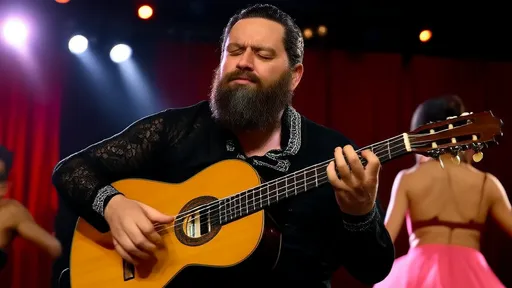
In the realm of performance, whether it be a grand opera, an intimate jazz club, or a roaring rock concert, the visual harmony between an artist's attire and their instrument is not merely a matter of chance but a deeply considered aesthetic choice. This synergy speaks a silent language to the audience, setting the tone before a single note is played. It is a dialogue between the visual and the auditory, a fusion that can elevate a performance from mere entertainment to a holistic art form. The right combination can tell a story, evoke an era, or amplify the emotional resonance of the music itself, creating a cohesive and unforgettable experience.

The history of this pairing is as old as performance itself. In the courts of Renaissance Europe, lutenists and minstrels would often be adorned in garments that reflected the opulence and craftsmanship of their intricately decorated instruments. The rich, dark woods of a lute or a viola da gamba were complemented by velvets, silks, and elaborate embroidery, creating a visual representation of the sophisticated music they produced. This was not vanity; it was a statement of purpose and status. The instrument was an extension of the self, and the clothing was the frame that completed the portrait. This tradition established a fundamental principle: the performer and their tool are a single entity on stage.

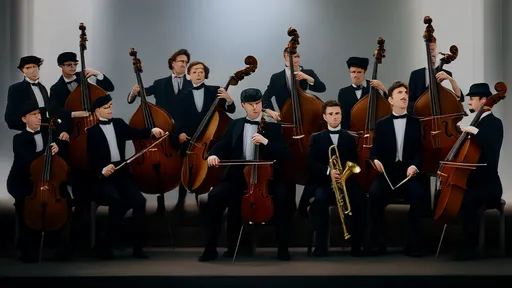
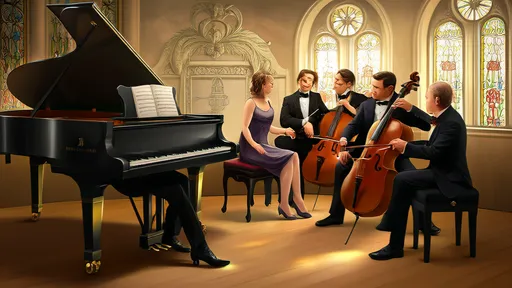
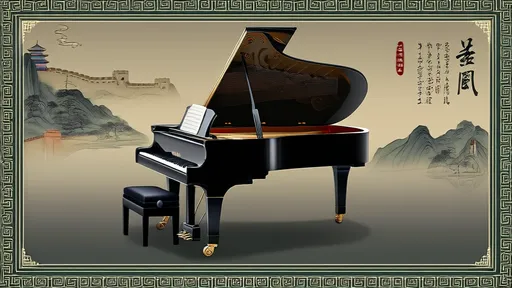
Moving into the classical era, a certain formality took hold. The rise of the symphony orchestra brought with it a standardised uniform: the black tuxedo or formal gown. This was a deliberate aesthetic move towards uniformity, designed to shift the audience's focus entirely onto the music. The black attire receded into the background, allowing the gleaming brass of the trumpets, the rich brown of the cellos, and the polished black of the grand piano to become the visual anchors. Here, the aesthetic was one of sublime contrast. The monochromatic musicians became a single, powerful organism, their individual instruments shining as the singular points of visual interest against a sea of black. It was a lesson in minimalism where the absence of flamboyant costume made the instruments themselves the stars.

Conversely, the birth of jazz in the early 20th century introduced a new, charismatic energy to the stage. The instrument became a badge of cool, and the clothing an expression of individuality and rebellion against the formality of the past. Think of the sharp, tailored zoot suits of the swing era, their exaggerated proportions mirroring the bold, soaring phrases of a saxophone solo. The gleaming brass of a trumpet seemed to reflect the sharp lines of a lapel, while the smooth curves of a double bass were echoed in the drape of a well-cut jacket. This was where personality exploded onto the stage. The musician's style was as improvisational and soulful as their music, creating a seamless blend of sight and sound that defined an entire cultural movement.

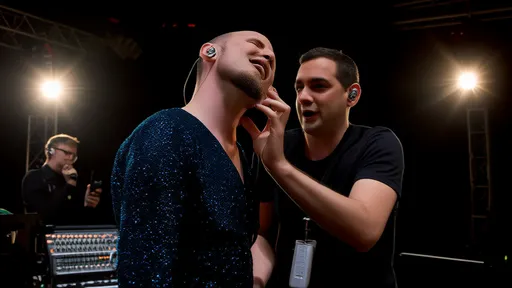
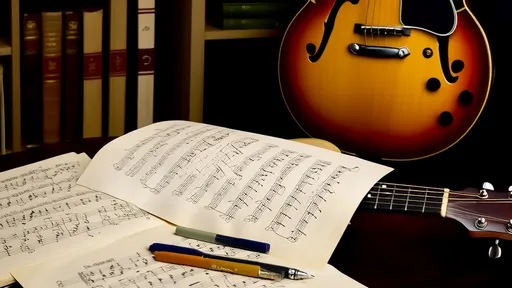
The rock and roll revolution took this concept of rebellious pairing and amplified it to theatrical extremes. Here, the instrument is often a weapon, and the costume is battle armour. The aesthetic became about raw power, rebellion, and spectacle. The fierce, angular shape of an electric guitar was matched by studded leather jackets, ripped jeans, and heavy boots. Artists like Jimi Hendrix or Jimmy Page didn't just play their guitars; they wielded them, and their flamboyant, psychedelic, or aggressively rugged clothing completed the image of the rock god. The finish of a guitar—a sunburst Les Paul or a mirrored Flying V—could directly influence a costume's colour palette or texture. This was not subtle harmony; it was a deliberate, powerful collision of visual and auditory noise designed to overwhelm the senses.

In the world of pop, the aesthetic calculus often shifts towards branding and iconic imagery. The instrument can become a prop, an integral part of a highly stylised visual identity. Madonna’s keytar, Prince's cloud guitar, or Lady Gaga's piano—these are not just instruments; they are custom-designed pieces of art that are inextricably linked to the outfit she wears and the character she portrays. The colour, shape, and material of the instrument are meticulously coordinated with the costume to create a single, powerful image that is instantly recognisable. This is where music meets high fashion, and the pairing is often conceived as a total work of art, designed for the camera as much as for the live audience.

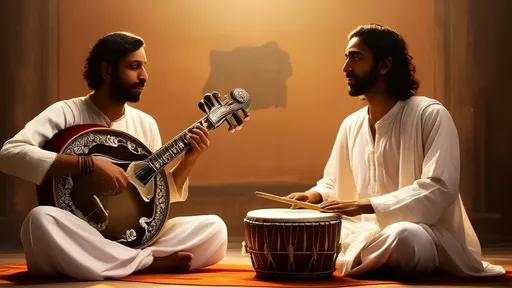
Folk and world music traditions offer a profoundly different perspective, one rooted in cultural authenticity and heritage. Here, the pairing is often organic and symbolic. The traditional clothing of a culture is frequently made from materials and using techniques that resonate with the construction of its native instruments. The natural woods and animal skins of a West African djembe are complemented by hand-dyed, woven fabrics like kente cloth. The intricate inlay of an Indian sitar finds its visual echo in the detailed embroidery of a sherwani or a sari. This connection grounds the performance in a specific place and history, making the music a full sensory journey into its culture of origin. The aesthetic is one of truth and origin, where every element tells a part of a larger story.

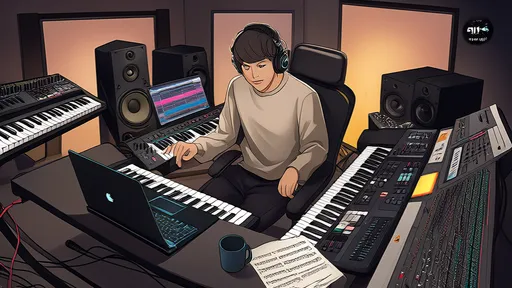
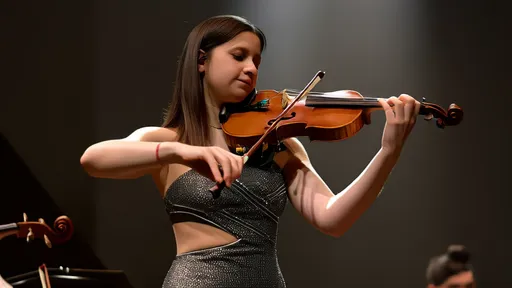
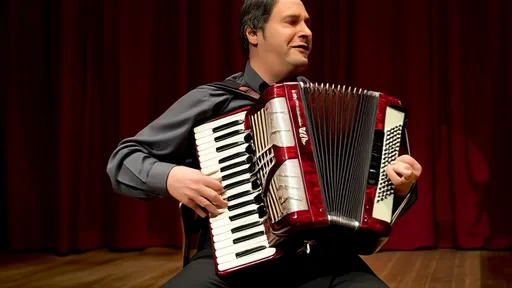
For the contemporary performing musician, navigating this aesthetic landscape is a complex task. It involves a deep understanding of their own musical identity, the genre's conventions, and the message they wish to convey. A solo cellist might choose a flowing, minimalist dress that allows the elegant form of the cello to remain the focal point, its curves mirrored in the drape of the fabric. A synth-wave artist might embrace retro-futuristic aesthetics, with outfits featuring sleek metallics and clean lines that mirror the minimalist design of their analog synthesizers. The choice of whether to match, contrast, or completely reinvent these visual relationships is a crucial part of their artistic expression.

Ultimately, the aesthetics of pairing performance wear with an instrument is a vital, though sometimes overlooked, pillar of musical performance. It is a non-verbal language that communicates context, emotion, and intention. From the unified formality of the orchestra to the explosive individuality of the rock star, these choices create a visual soundtrack that prepares the audience for the auditory experience to come. When executed with intention, this harmony does not just accompany the music; it completes it, transforming sound and vision into a single, unforgettable artistic statement.
Recommend Posts
Music

Philosophy of Tuning Gamelan Instruments in Indonesia

By /Aug 22, 2025

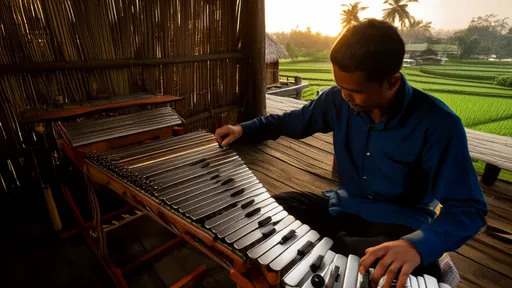
In the heart of Indonesian musical tradition lies the enchanting world of gamelan, an ensemble of percussive instruments that has captivated listeners for centuries. More than just a collection of gongs, metallophones, and drums, gamelan embodies a profound philosophical approach to sound, tuning, and harmony that reflects the cultural and spiritual values of the Javanese and Balinese peoples. The tuning systems of gamelan, known as laras, are not merely technical constructs but are deeply intertwined with cosmology, community, and a unique worldview that challenges Western notions of musical perfection. This article delves into the philosophical underpinnings of gamelan tuning, exploring how these ancient instruments create a sonic universe that is both mathematically intricate and spiritually resonant.
Music

African Polyrhythmic Mathematical Model

By /Aug 22, 2025

In the heart of Africa's musical traditions lies a complex rhythmic structure that has fascinated scholars and musicians alike for centuries. This intricate system, often referred to as polyrhythm or cross-rhythm, represents more than just musical expression—it embodies a sophisticated mathematical framework that has recently garnered attention from mathematicians and computer scientists worldwide. The African polyrhythmic model, with its interlocking patterns and temporal complexities, offers a unique window into how rhythm can be quantified, analyzed, and even applied to modern technological challenges.
Music

Flamenco Guitar Compás Rhythm Patterns

By /Aug 22, 2025

In the heart of Andalusia, where the raw emotions of flamenco echo through sun-drenched plazas and intimate tablaos, the guitar is more than an instrument—it is the lifeblood of the art form. While the impassioned vocals, percussive dance, and haunting melodies often capture the audience's immediate attention, it is the underlying rhythmic structure, known as compás, that gives flamenco its soul and unwavering pulse. To understand flamenco guitar is to immerse oneself in the complexities and traditions of compás, a system so intricate and vital that it defines the very essence of each palo, or style.
Music

Sitar and Tabla Dialogue

By /Aug 22, 2025

In the heart of India's rich musical tradition lies a dialogue as ancient as it is profound—the conversation between the sitar and the tabla. This is not merely a performance but a spiritual exchange, a woven tapestry of melody and rhythm that speaks to the soul. The sitar, with its resonant strings and haunting tones, poses questions that the tabla answers with intricate patterns of percussive poetry. Together, they embark on a journey that transcends mere entertainment, inviting listeners into a realm where sound becomes emotion and rhythm becomes heartbeat.
Music

Irish Whistle Ornament System

By /Aug 22, 2025

In the misty hills and lively pubs of Ireland, a distinct musical tradition thrives, carried on the breath of musicians and the intricate silver body of the tin whistle. More than just an instrument, the Irish tin whistle is a vessel of cultural expression, and its soul lies not merely in the notes played, but in the delicate, rapid, and profoundly expressive world of ornamentation that dances around them. This system of decorative notes, known as ornamentation, is the very language that gives Irish traditional music its characteristic lift, pulse, and emotional depth, transforming a simple melody into a story told without words.
Music

Create a movie soundtrack in five minutes.

By /Aug 22, 2025

In the world of cinema, where every frame is meticulously crafted to tell a story, the role of music cannot be overstated. Among the many fascinating challenges that composers face, one stands out for its unique blend of creativity and constraint: the task of creating a compelling film score in just five minutes. This concept, though seemingly paradoxical, has gained traction in both experimental circles and mainstream filmmaking, pushing artists to distill emotion, narrative, and atmosphere into a fleeting auditory experience. The idea isn't merely about speed but about capturing the essence of a scene or an entire film in a condensed, powerful burst of sound. It demands an intimate understanding of musical theory, emotional resonance, and the symbiotic relationship between audio and visual elements.
Music

A Guide to Creating Glitch Sound Effects

By /Aug 22, 2025

In the vast landscape of sound design, few elements possess the raw, unpredictable charm of the glitch. Born from digital errors, system crashes, and corrupted data, glitch sound effects have evolved from unwanted noise to a sought-after aesthetic in music production, film, and game design. This guide delves into the essence of glitch, exploring its origins, creative applications, and techniques for crafting these captivating sonic anomalies.
Music

Constructing an Electronic Soundscape through Environmental Sampling

By /Aug 22, 2025

In an increasingly digitized world, the concept of soundscapes has evolved beyond natural environments to embrace the synthetic. Environmental sampling, once a niche technique in music production, has burgeoned into a sophisticated method for constructing rich, immersive electronic soundscapes. This practice involves capturing real-world sounds—from the rustle of leaves to the hum of urban infrastructure—and transforming them into the building blocks of auditory art. The resulting compositions are not merely background noise; they are intricate tapestries that reflect, reinterpret, and sometimes reimagine the acoustic environments from which they originate.
Music

Techniques for Human Refinement in AI-Generated Melodies

By /Aug 22, 2025

In the evolving landscape of music production, the collaboration between artificial intelligence and human creativity has opened new frontiers. AI-generated melodies are no longer a futuristic concept but a present-day tool, offering composers and producers a wealth of raw material. However, the true artistry lies in the human touch—the nuanced refinement that transforms algorithmic output into emotionally resonant music. This process, often referred to as human polishing of AI melodies, is where technology meets soul, and where the cold precision of machines is warmed by the intuition and experience of musicians.
Music

Modern Adaptation of Ancient Chinese Poetry Singing

By /Aug 22, 2025

The ancient art of Chinese classical poetry recitation, once confined to scholarly circles and traditional performances, is experiencing a remarkable renaissance through modern adaptation. This cultural evolution represents not merely a preservation effort but a dynamic reinterpretation that bridges millennia of literary heritage with contemporary artistic expression. Across concert halls, digital platforms, and educational institutions, the melodic cadences of Tang and Song dynasty verses are being reimagined through innovative musical arrangements, technological integration, and cross-cultural collaborations.
Music

Multi-Camera Live Streaming Audio-Video Synchronization Solution

By /Aug 22, 2025

The broadcast industry is witnessing a paradigm shift in multi-camera production as new synchronization technologies emerge to tackle the perennial challenge of audio-video alignment. While lip-sync issues have plagued live productions for decades, recent advancements in timing protocols and network-based solutions are finally delivering frame-accurate synchronization across complex multi-camera setups.
Music

Aesthetics of Costume and Musical Instrument Coordination

By /Aug 22, 2025

In the realm of performance, whether it be a grand opera, an intimate jazz club, or a roaring rock concert, the visual harmony between an artist's attire and their instrument is not merely a matter of chance but a deeply considered aesthetic choice. This synergy speaks a silent language to the audience, setting the tone before a single note is played. It is a dialogue between the visual and the auditory, a fusion that can elevate a performance from mere entertainment to a holistic art form. The right combination can tell a story, evoke an era, or amplify the emotional resonance of the music itself, creating a cohesive and unforgettable experience.
Music

Sound Field Optimization Techniques for Small Spaces

By /Aug 22, 2025

In the realm of audio engineering, the challenge of optimizing sound in small spaces remains both an art and a science. Unlike large venues where sound has room to breathe and develop, compact environments present unique acoustic hurdles that demand meticulous attention and creative solutions. The constraints of limited square footage, reflective surfaces, and proximity to listeners require a tailored approach to ensure clarity, balance, and immersion. Whether you're setting up a home studio, a conference room, or an intimate performance area, understanding the fundamental principles of small-space acoustics is essential for achieving professional-grade audio quality.
Music

Emergency Weather Response Guide for Outdoor Performances

By /Aug 22, 2025

As the golden hour fades into twilight and the first chords echo across the open-air amphitheater, there's a particular magic to outdoor performances that indoor venues simply cannot replicate. The shared experience under the stars, the natural acoustics, and the connection with the elements create unforgettable moments for artists and audiences alike. However, this very connection with nature introduces an unpredictable variable that can transform a magical evening into a challenging situation within minutes. Weather, in all its capricious glory, remains the great wildcard of outdoor events.
Music

Emergency Response Plan for In-Ear Monitor Failure

By /Aug 22, 2025

In the high-stakes world of live performance, the sudden failure of an in-ear monitor system can feel like a performer's worst nightmare unfolding in real time. These discreet devices, commonly known as ear monitors or IEMs, have become the technological backbone of modern concerts, providing artists with a personalized mix of music, backing tracks, and cues directly into their ears. They allow for precise auditory control on chaotic stages, protecting vocals from the roar of the crowd and the thunder of amplifiers. Yet, this reliance on technology introduces a critical vulnerability. When an ear monitor fails, it doesn't just create an inconvenience; it threatens to derail an entire performance, leaving an artist sonically stranded and disconnected from the very elements that guide their show.
Music

Innovative Research on Beatles Chord Progressions"

By /Aug 22, 2025

The Beatles didn't just change music—they rewired its DNA. While most discussions of their legacy focus on cultural impact or lyrical innovation, a quieter revolution was happening in the very architecture of their songs: the chord progressions. For decades, popular music had operated within a relatively safe harmonic playground, leaning on established patterns that felt familiar and comforting. Then came four lads from Liverpool who treated these conventions not as rules, but as suggestions.
Music

Spirited Away" Soundtrack: Japanese Scales

By /Aug 22, 2025

In the realm of animated cinema, few scores resonate as deeply as Joe Hisaishi's compositions for Hayao Miyazaki's Spirited Away. The film’s auditory landscape is not merely background music; it is a vital character, a narrative force woven into the very fabric of the story. A significant element contributing to its unique and hauntingly beautiful sound is its foundation in traditional Japanese scales. These scales, or onkai, provide the musical DNA that shapes the film's emotional core, transporting listeners to a world that is at once fantastical and deeply rooted in cultural memory.
Music

Dissection of Piazzolla's Tango Accordion Techniques"

By /Aug 22, 2025

There exists a particular alchemy in the way Astor Piazzolla’s fingers commanded the bandoneón, an instrument synonymous with the soul of tango yet utterly transformed under his touch. To dissect his technique is not merely to catalogue mechanical actions but to venture into the very philosophy of Nuevo Tango itself. It was a rebellion played out in bellows and buttons, a deliberate deconstruction of tradition that forged a new, intensely personal musical language. The bandoneón, in Piazzolla's hands, ceased to be solely an instrument of the dance hall and became a vessel for profound narrative, dissonant emotion, and complex virtuosity.
Music

Schubert's Trout" Quintet: Variations and Artistry

By /Aug 22, 2025

In the pantheon of chamber music, few works shimmer with the same effortless charm and technical brilliance as Franz Schubert's "Trout" Quintet. Composed in 1819 during a summer sojourn in the Austrian countryside, the quintet—officially the Piano Quintet in A major, D. 667—remains one of the most beloved and frequently performed pieces in the entire repertoire. Its enduring appeal lies not just in its sunny, pastoral character, but in its masterful central movement: a set of variations on Schubert's own earlier lied, "Die Forelle" (The Trout). This movement stands as a breathtaking display of the variation form, a testament to Schubert's genius for transforming a simple melody into a kaleidoscope of musical invention.
Music

Analysis of Ethnic Elements in Yellow River Piano Concerto"

By /Aug 22, 2025

The Yellow River Piano Concerto stands as a monumental work in the landscape of modern Chinese classical music, a composition that marries Western musical forms with profound national spirit. Premiered during a period of significant cultural transformation in China, this concerto has transcended its era to become a timeless emblem of artistic synthesis. Its enduring appeal lies not merely in its technical brilliance or melodic beauty, but in its deep-rooted connection to Chinese cultural identity, expressed through a rich tapestry of folk elements, historical narratives, and symbolic resonance.